Concrete, often viewed as a purely functional material, possesses a surprising versatility that allows it to be transformed into stunning decorative elements. The process of decorative concrete installation is a blend of artistry and technical skill, turning ordinary surfaces into eye-catching features that enhance both residential and commercial spaces. This post from RAD Concrete offers a glimpse into the meticulous steps involved in bringing these creative visions to life.
Assessing the Canvas: The Two Paths of Preparation
Before any decorative work begins, we must determine the state of the canvas. The preparation process differs significantly depending on whether we are starting fresh or reviving an old surface:
For New Installations: We prepare the subgrade (the ground beneath), set up forms, and reinforce the area with rebar or mesh. The preparation here is about structural integrity before the wet concrete is even poured.
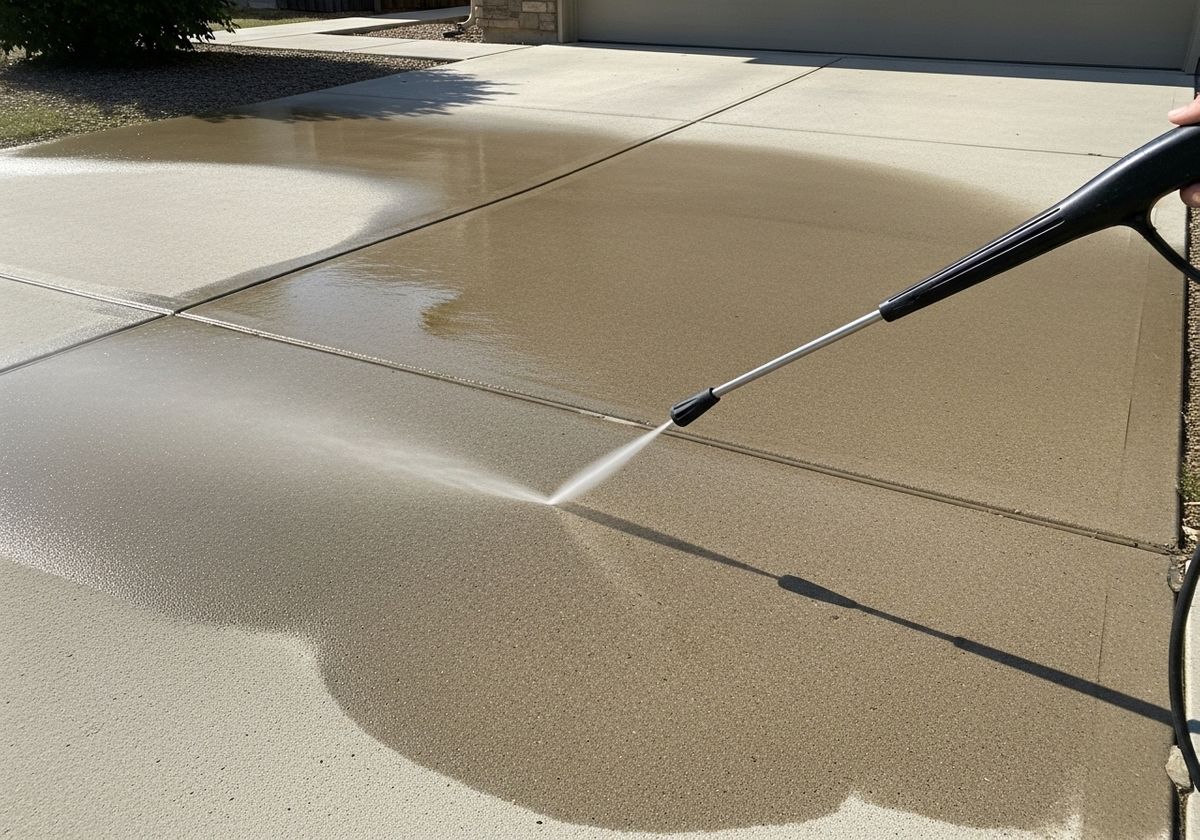
For Existing Surfaces: If we are working with concrete that is already in place, the surface must be immaculately prepared. This involves deep cleaning to remove oil and debris, repairing cracks, and sometimes profiling (roughening) the surface so that new decorative layers can bond permanently.
Choosing the Right Decorative Technique
Decorative concrete offers a wide array of options, each with its unique aesthetic. Some popular techniques include:
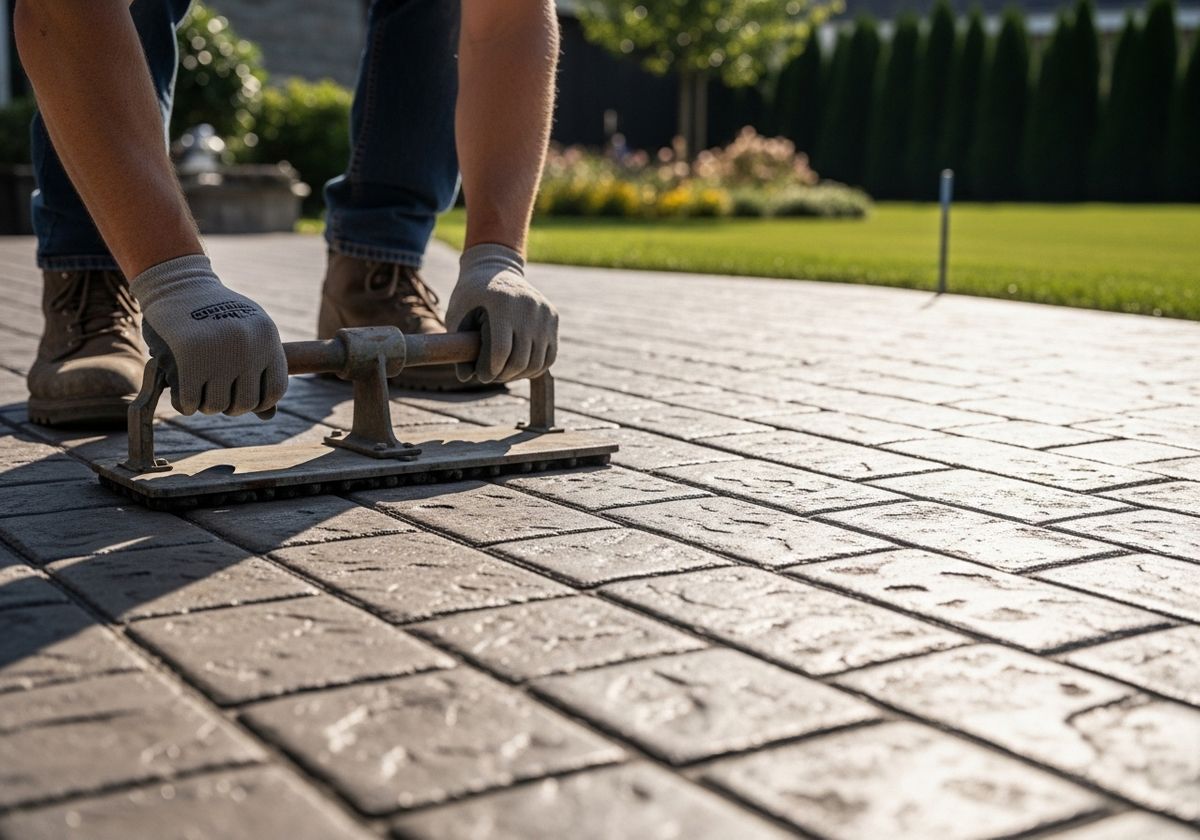
Stamping (New Pours or Overlays Only): Using textured stamps to imprint patterns onto freshly poured concrete, mimicking materials like brick, stone, or tile.
Staining: Applying acid-based or water-based stains to create rich, variegated colors and unique visual effects.
Overlays: Applying a thin layer of polymer-modified concrete over existing surfaces to create new textures, patterns, or colors.
Polishing: Grinding and polishing concrete surfaces to a high-gloss sheen, revealing the natural beauty of the aggregate.
Epoxy Coatings: Applying a durable, seamless epoxy coating that can be customized with colors, metallic pigments, or decorative flakes.
The choice of technique depends on the desired look, budget, and the specific application.
The Installation Process: Precision and Artistry
Once the surface is prepped and the decorative technique is chosen, the installation process begins. For stamped concrete, this involves pouring the concrete, applying a color hardener (if desired), and then carefully pressing the stamps into the surface to create the pattern.
Staining requires careful application of the stain, followed by sealing to protect the color and enhance its vibrancy.
Overlays involve mixing and applying the concrete mixture, then using trowels, stamps, or other tools to create the desired texture or pattern.
Polishing requires specialized grinding equipment and multiple passes with progressively finer grits to achieve the desired level of shine.
Epoxy coatings involve mixing the epoxy components and applying them evenly over the surface, then adding any decorative elements before the epoxy cures.
Sealing and Protection: Ensuring Longevity
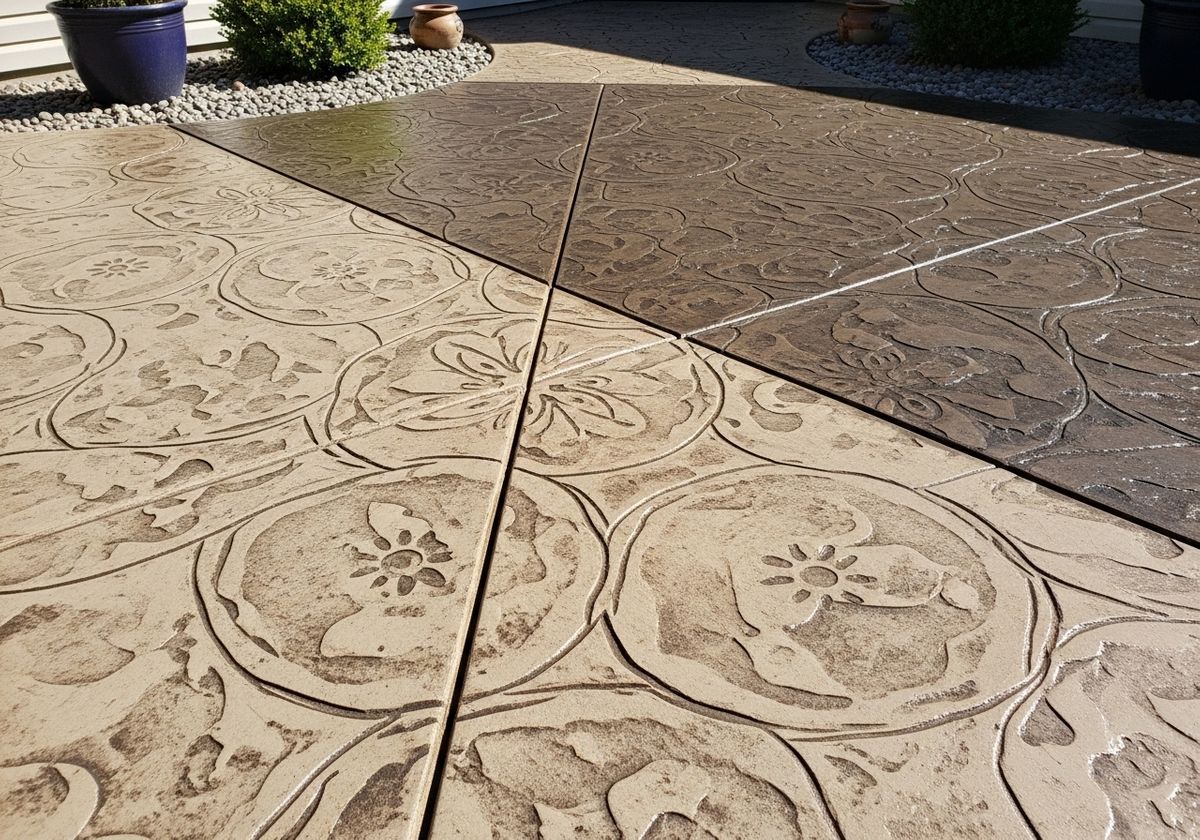
The final step in decorative concrete installation is sealing the surface. A high-quality sealer protects the concrete from staining, abrasion, and UV damage, ensuring that the decorative finish lasts for years to come. The type of sealer used depends on the decorative technique and the intended use of the surface. Regular cleaning and maintenance will further extend the life of decorative concrete.
Decorative concrete installation is a specialized process that requires expertise and attention to detail. From surface preparation to sealing, each step plays a crucial role in achieving a beautiful and durable result. By understanding the process, you can better appreciate the artistry and skill involved in transforming ordinary concrete into stunning decorative features. If you're considering decorative concrete for your next project and want to ensure a flawless finish that combines aesthetic appeal with lasting durability, remember that RAD Concrete excels in delivering both. Contact us today to discuss how our meticulous approach and technical precision can bring your vision to life.