When dealing with damaged or aging concrete surfaces, property owners often face a crucial decision: is it better to opt for concrete resurfacing or a complete replacement? Both approaches offer distinct advantages and are suited to different scenarios. Understanding the nuances of each can help you make an informed choice that aligns with your budget, timeline, and aesthetic preferences. Keep reading to learn more from the local concrete contractors at RAD Concrete.
Understanding Concrete Resurfacing
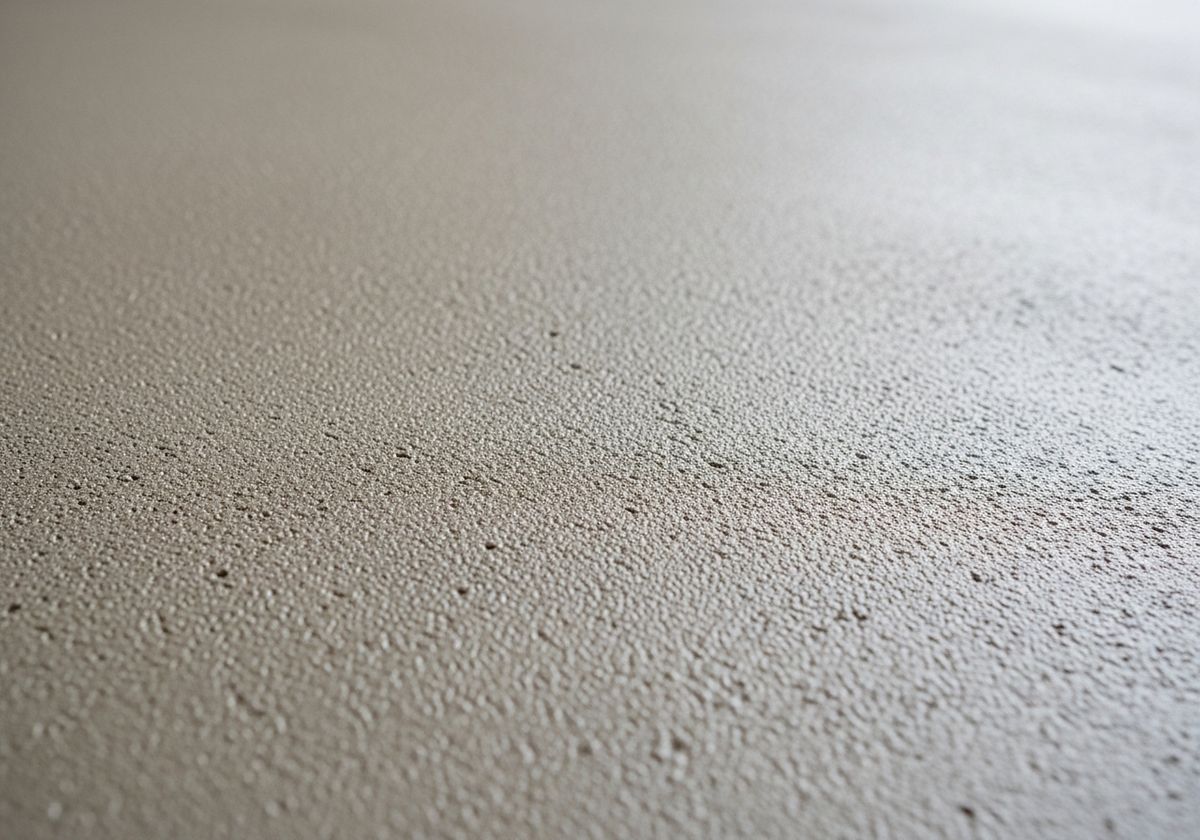
Concrete resurfacing involves applying a new layer of material over the existing concrete surface. This method is ideal for surfaces that are structurally sound but have cosmetic imperfections such as cracks, stains, or discoloration. Common resurfacing options include overlays, micro-toppings, and epoxy coatings. Resurfacing can revitalize the appearance of your concrete, providing a fresh, updated look without the extensive labor and cost of a full replacement.
Understanding Concrete Replacement
Concrete replacement involves removing the existing concrete slab and pouring a new one. This is typically necessary when the concrete is severely damaged, structurally unsound, or has extensive cracking. Replacement ensures a solid, stable foundation and is the best option for addressing significant structural issues. While it is a more intensive process, replacement provides a long-term solution and an opportunity to upgrade the base or make design modifications.
Cost Comparison
Resurfacing is generally more cost-effective than replacement. The cost of resurfacing primarily includes the materials and labor required to apply the overlay or coating. Replacement involves the additional expenses of demolition, removal, and disposal of the old concrete, as well as the cost of preparing the sub-base for the new pour. If budget is a primary concern and the existing concrete is in decent condition, resurfacing can be a smart choice.
Timeline Considerations
Resurfacing projects are typically completed much faster than replacement projects. Depending on the size and complexity of the area, resurfacing can often be done in a matter of days. Replacement, on the other hand, can take several days to weeks, depending on the size of the project, weather conditions, and curing time required for the new concrete.
When to Choose Resurfacing
Choose concrete resurfacing if:
The existing concrete is structurally sound.
You want to improve the appearance of the concrete.
You have minor cracks, stains, or surface imperfections.
You need a cost-effective and quick solution.
When to Choose Replacement
Choose concrete replacement if:
The existing concrete is severely damaged or structurally unsound.
You have extensive cracking or settling.
You need to alter the layout or design of the concrete surface.
You want a long-term solution for significant structural issues.
Deciding between concrete resurfacing and replacement requires careful evaluation of the concrete's condition, your budget, and your long-term goals. Both methods offer unique benefits, and the right choice depends on the specifics of your situation. At RAD Concrete, we understand the importance of making informed decisions about your concrete projects. We provide integrated project oversight, working directly with design professionals to ensure structural blueprints are executed with 100% accuracy. Whether you're considering resurfacing or replacement, contact us today to explore how our expertise can help you achieve durable, high-density results.