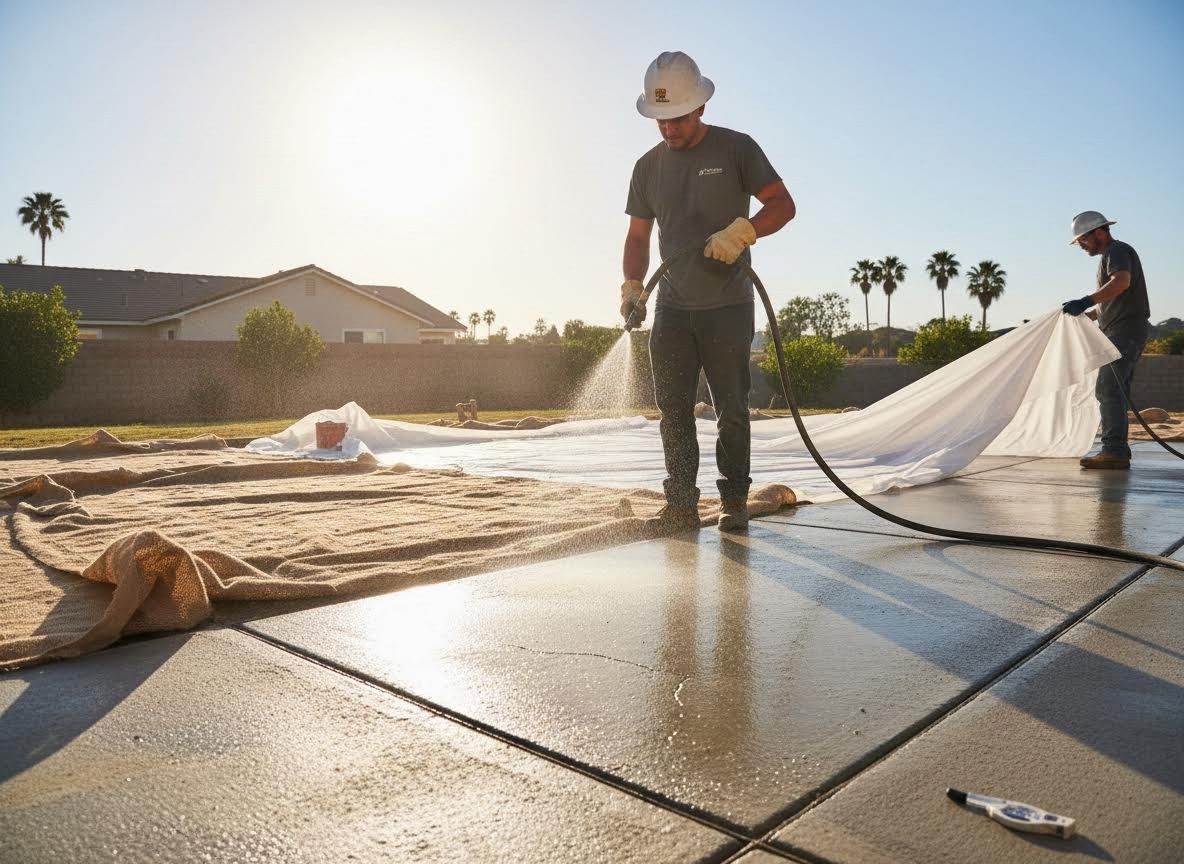
Understanding concrete curing in hot summer weather is crucial for ensuring the longevity and structural integrity of any project. When temperatures rise, the hydration process of concrete accelerates, which can lead to rapid drying and a host of potential issues if not managed correctly. RAD Concrete understands these challenges, employing meticulous techniques to achieve optimal results even under demanding environmental conditions. This blog post will delve into the specifics of why hot weather affects concrete, common problems, and the best practices for effective curing.
The Impact of High Temperatures on Concrete Curing
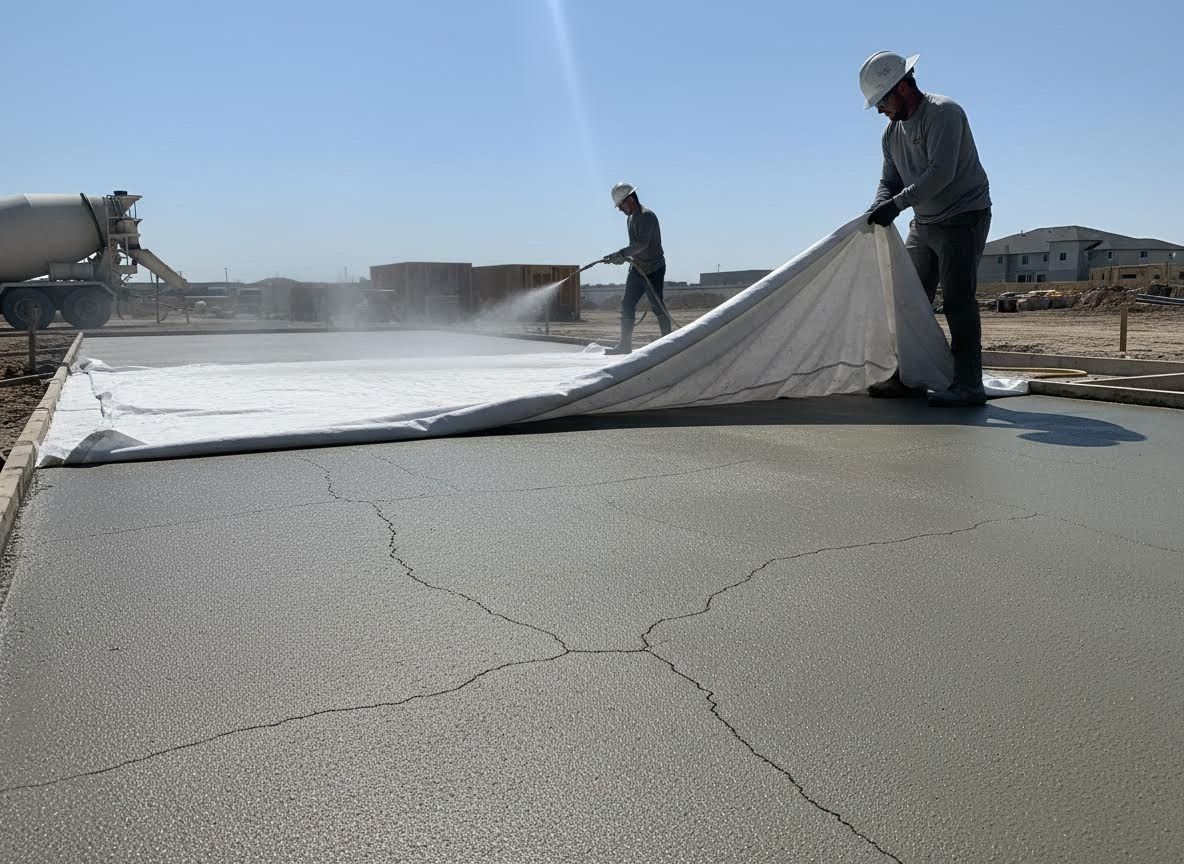
Hot weather significantly influences the way concrete cures, primarily by speeding up the evaporation of mix water. This rapid water loss can lead to what's known as "plastic shrinkage" – surface cracking that occurs while the concrete is still plastic. Additionally, elevated temperatures accelerate the chemical reaction (hydration) between cement and water, which, while seemingly beneficial, can result in reduced ultimate strength and durability if not controlled. Proper curing ensures the concrete develops its intended strength and density, preventing premature drying and maintaining sufficient moisture for complete hydration.
Common Hot Weather Curing Challenges and Solutions
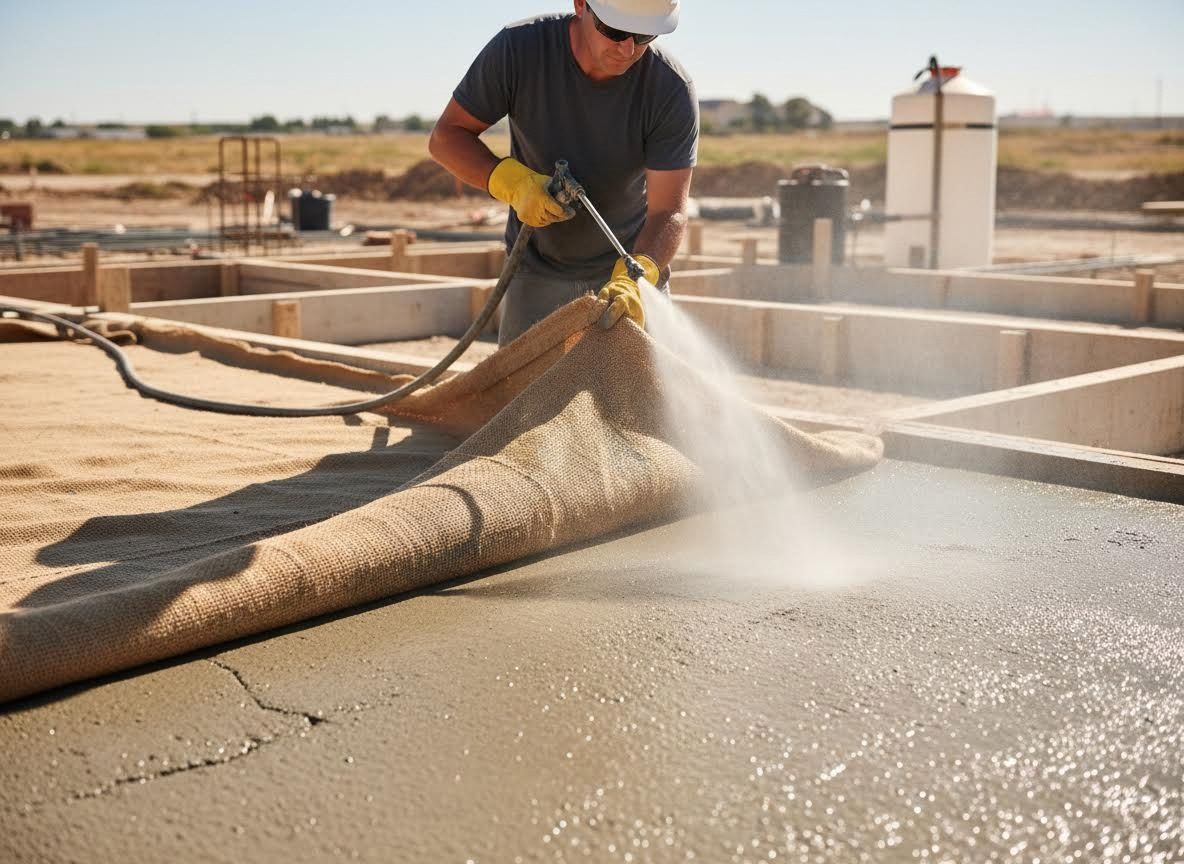
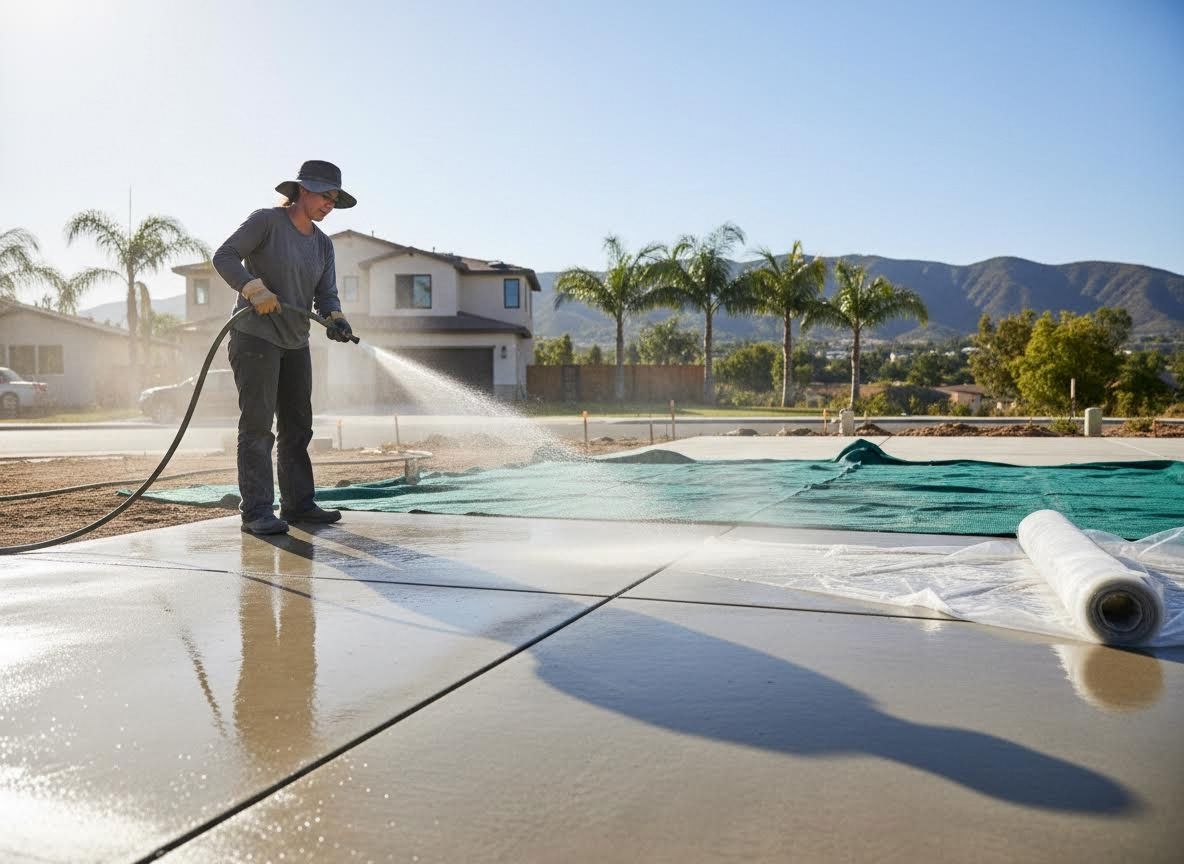
Improper curing in hot conditions can manifest in several undesirable ways, including the formation of fine Foundation Cracks, scaling, and a generally weaker, less durable surface. These issues are particularly concerning for projects requiring high performance and longevity. To combat this, professionals employ several strategies. One key solution involves maintaining the concrete’s moisture content immediately after placement. This can be achieved through methods like continuous misting or applying wet coverings. Another effective approach is the use of specialized curing compounds that form a membrane on the concrete surface, locking in moisture. These careful steps are vital to avoid long-term structural compromises.
Essential Curing Techniques for Summer Projects
Effective hot weather curing requires a proactive approach. One of the most common and effective techniques is "wet curing," which involves continuously applying water to the concrete surface. This can be done by ponding, misting, or covering the concrete with wet burlap or cotton mats that are kept saturated. For horizontal surfaces like driveways, we often recommend impermeable sheets such as polyethylene film can be used to prevent moisture evaporation. In some cases, applying a chemical curing compound is preferred, as it forms a protective barrier over the surface. The chosen method must ensure the concrete retains adequate moisture for at least seven days, or until it achieves the specified strength.
For homeowners and developers in the San Fernando Valley, understanding the nuances of concrete curing in hot weather is paramount for project success. RAD Concrete is dedicated to delivering durable, high-density results for both residential and commercial infrastructure, ensuring every build adheres to rigorous safety protocols and local building codes. If you're planning a concrete project and want to learn more about the best practices for ensuring its longevity and performance, contact our team for expert advice and solutions.